






Why Retro Football Kits Are Making a Global Comeback
Football shirts from past decades are now everywhere again. You see them on match days, in shops and on the street. People across the world love the look, feel and story behind them. What once sat in old drawers now sits at the centre of a trend that keeps growing. And as football changes, these older designs remind fans of days that felt more simple, real and close to the game. Many now see retro kits as a way to hold on to that feeling.
This rise is not random. It has roots in culture, fashion and memory. It also speaks to something deeper in the sport. Below is a clear look at why this global return has become so strong and why it shows no sign of slowing down.
The Rise of Nostalgia in Modern Football Culture
Nostalgia drives much of football culture today. With the game now shaped by huge deals, bright branding and constant updates, many fans feel something has been lost. Older shirts bring back the sense of community the sport once had. When people think of clubs like Arsenal F.C., AC Milan or Real Madrid CF, they picture classic designs that marked great seasons.
Fans want a link to a time when football felt grounded. Old shirts give that link. They hold memories of big goals, late winners and long summers spent watching matches with friends. The strong emotional pull makes people seek these shirts again. And since nostalgia remains a powerful force, the demand keeps rising.
How Streetwear and Football Collided
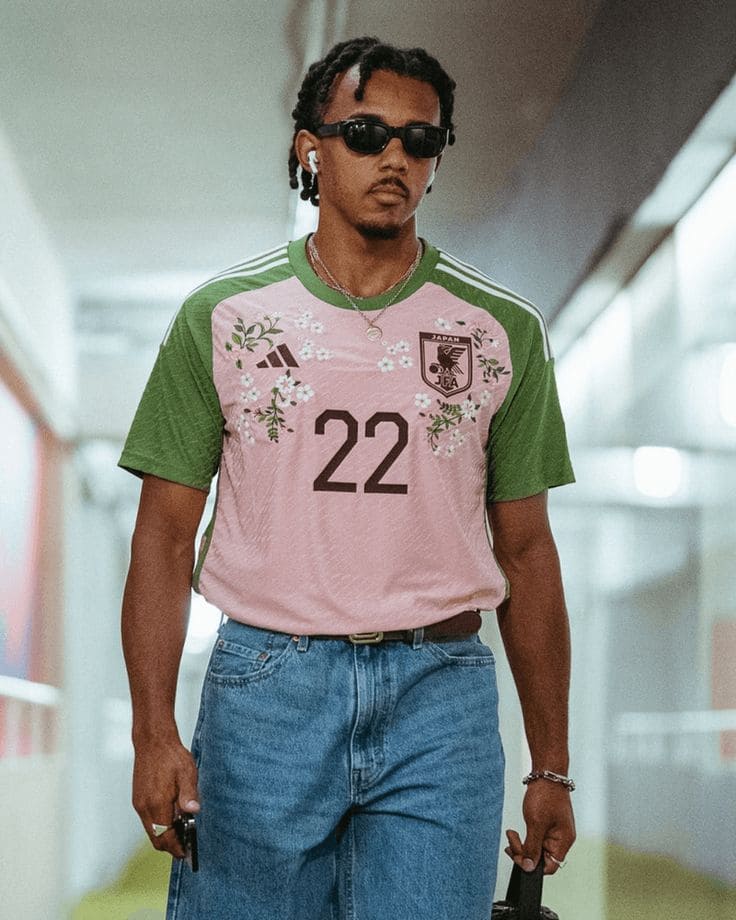
Streetwear has changed fashion across many cities. It mixes sport, music and culture in a way that feels natural and expressive. Once football shirts entered this world, they found a fresh role. People now wear them even when they are not heading to a match. They pair them with jackets, jeans, shorts and trainers. The mix feels smooth and stylish.
Music also helped. Artists across genres have worn classic shirts in videos, photos and live shows. This added a sense of cool to shirts that once belonged only to the pitch. Soon, younger fans started collecting them as fashion pieces. Even those who do not watch football wear them because they like the look.
As streetwear embraced football, clubs noticed. Some work with brands to release modern pieces inspired by older patterns. The past now shapes new trends, which helps the revival grow even stronger.
Why Retro Kits Feel More Authentic Than Modern Releases
Many people feel that older shirts carry more heart than modern ones. New shirts often focus on tight fits and lightweight fabric. Older shirts feel stronger and more natural, both on and off the pitch, which is why retro kits continue to attract so much attention.
Key reasons older shirts feel real
- Past designs used simple shapes that still look great
- Older sponsors remind people of earlier times
- The loose fit makes them easy to wear with normal clothes
These shirts also hold a link to players who shaped club history. Wearing one brings back important moments. It also helps people feel connected to a time when football felt more grounded. This sense of truth is why retro kits still attract so many fans.
The Scarcity Factor: Why Vintage Kits Keep Rising in Value
Scarcity plays a huge role in the rising value of old shirts. Years ago, clubs did not produce shirts in massive numbers. Once the batch sold out, it often stayed gone. This makes older shirts hard to find in good condition. Many collectors now search for rare pieces from the 80s, 90s and early 2000s. When they do appear, they sell fast.
Because supply stays limited and demand grows, prices rise. Some shirts linked to title-winning seasons or famous finals are worth far more than their original cost. Collectors also look for shirts with classic sponsors or unique badges. If they come with original tags, the value climbs even higher.

The search has become part of the fun. People check markets, auctions, resellers and community groups. Finding a hidden gem brings excitement. This sense of the hunt fuels the trend further, as more people join in to look for shirts with a story.
The Most In-Demand Retro Eras Right Now
Some decades stand out more than others.
The 1990s
The 90s lead the global revival. Clubs experimented with patterns, bright colours and bold shapes. Many of the most memorable designs come from this decade. Fans love them because they look striking without feeling forced. Shirts from Ajax, Inter, Dortmund and Newcastle are among the most collected.
The Late 1980s
This period offers clean lines and classic sponsor placements. Many shirts from this era feel timeless. They used simple colour blocks and strong shapes that still work today. Fans who value tradition often look to these designs first.
The Early 2000s
This era now enters classic status. People who grew up with these shirts now look for them again. They often link them to childhood memories of watching football with friends or family. The designs usually feel neat and simple, which fits well with current fashion trends.
Each era offers something different. Yet all share a sense of character that remains missing from many modern releases.
How to Style Retro Kits Today
Old football shirts now work in everyday outfits. People use these retro kits in ways that look relaxed and natural. The key is balance.
With Jeans
A pair of straight or relaxed jeans works well. The shirt becomes the main highlight. This simple look suits most classic designs.
With Shorts
Shorts keep the outfit light and easy. This works well in warm months. It also keeps the shape of the shirt clear.
Layered With Jackets
Denim jackets, track jackets or bomber jackets add depth without covering the shirt too much. This keeps the design visible while bringing extra style.
With Trainers
Retro trainers match older shirts perfectly. Many shoe brands have revived older models, which fit smoothly with vintage football looks.
The goal is comfort and expression. Wearing an old shirt should feel natural, not heavy. When styled well, it becomes a strong part of modern fashion.
What to Look for When Buying Authentic Retro Kits
Buying old shirts can be tricky because the market includes many copies. Careful checks help avoid issues.

Condition
Check for cracks in prints, fading or loose threads. Some signs of age are fine. Too much damage lowers the value.
Labels
Inspect the tags. Older shirts used labels that match specific years. Copies often miss these details or get the layout wrong.
Stitching
Original shirts usually have neat and consistent stitching. Uneven lines or loose seams can signal a fake.
Sponsors and Badges
Look at shape, size and placement. Small errors often give away copies. Older badges also used distinct colours that copies rarely match exactly.
Seller Reputation
Use sellers with strong reviews or platforms that offer buyer protection. Clear photos and honest descriptions are key. Collectors often share advice in online groups, which helps new buyers avoid problems.
Taking time to check these points makes the buying process smoother and more enjoyable.
Where to Find Genuine Retro Football Kits
Finding authentic pieces from retro kits has become easier thanks to specialist sellers and online communities.
Specialist Vintage Shops
Many shops now focus on old football shirts. They check authenticity before putting them up for sale. This gives buyers peace of mind.
Official Club Stores
Some clubs re-release old designs. These are not original pieces but offer close detail and high build quality. They are good options for fans who want the look without the high price of a real vintage shirt.
Trusted Marketplaces
Platforms with strong review systems let buyers check seller history. This reduces the risk of buying poor-quality copies.
Collector Groups
Online groups and forums allow fans to trade or sell shirts. These communities often include experts who help newer collectors learn how to spot real items.
With so many options, fans can find shirts that match their style, memory and budget.
Conclusion
Retro football shirts are more than old clothing. They carry stories, culture and emotion that modern designs often cannot match. People want to reconnect with moments that shaped their love of football, and these retro kits offer a clear path to that feeling. They blend history with fashion, memory with identity and rarity with value.
As demand keeps rising, the trend shows strong signs of staying. Whether people wear them in daily life, save them as part of growing collections or keep them as reminders of great seasons, these shirts hold a special place in the hearts of fans. And at a time when football moves fast, these older designs help slow things down and bring the game back to its roots.